Ad Blocking Is On The Rise


Untitled

There has been an increasing amount of conversation regarding ad blocking over the past few months. Ad blocking, for those unaware, is when online users utilize plug-ins and tools to prevent advertising across multiple platforms, including websites and social media. The debate recently took centre stage as Apple launched its new iOS update, effectively allowing mobile users to block all ads on the iPhone’s default browser Safari (if they choose to do so), which currently supplies roughly 55% of all mobile web traffic worldwide.

So what’s the issue at hand?

Well, blocking revenue-generating advertising can be disastrous for brands/entities, like The New York Times or Mashable, who make considerable amounts of capital from ads. It can also affect marketers on a smaller scale, as ad blockers could influence the display of ads, across Google AdWords, Bing Ads, and other advertising networks. This means that advertisers/agencies with any active campaigns could potentially be affected by increased adoption of this type of software. You can see how effective these blockers are below.

Untitleed

Should we freak out?

Not yet. Much like the Google mobile-geddon episode we talked about earlier this year, this only pertains to mobile traffic, and to those who choose to enable ad blocking. Thus, depending on your market/industry, you may notice a small difference, or you may not. As well, Apple has already discontinued/removed some ad-blocking tools from its store as they violated privacy issues and did much more harm than good.

Google has realigned its billing structure, and will no longer bill for ads that are undeliverable due to ad blocking. This will help ensure that you can still get the results you’re looking for with your current budget. Also, there are measures you can take to make sure your ads are whitelisted, which means that ad blockers will allow them to display.

Advertising is a good thing, but only when done properly. This whole issue presents an optimistic outlook for the future of mobile advertising, as advertisers are now forced to integrate more creative solutions into their marketing strategies that will deliver better overall experiences. For now, though, it’s business


How The Election Can Affect Homebuyers And Builders

Untitled

The Canadian federal election is coming up, and your vote, depending on your income level and personal agenda, may or may not be clear-cut. The three top parties have many differing positions on various issues affecting Canadians. I thought it might be beneficial to take a look at their individual positions on housing, as it relates to both homebuyers and builders.

Conservatives

The Conservative party has outlined a plan to increase the number of homebuyers in Canada by 2020 dramatically. In fact, they are aiming for a lofty goal of 700,000 new buyers. This is good news for builders. Their platform includes such elements such as increasing the Home Buyers’ Plan (HBP) from $25,000 to $35,000. The HBP allows homebuyers to withdraw from their registered retirement savings plans (RRSPs) to buy or build a qualified home. They also plan on maintaining the tax-free savings account contribution limit at $10,000 and introducing a permanent home renovation tax credit – all of which are aimed at making it more feasible to purchase a home.

Liberals

The Liberals, unlike the Conservatives, don’t outline a lofty goal of increasing the amount of home ownership. They do, however, describe some measures that will help create more opportunities for homeowners and builders alike. Firstly, they promise $125 million per year in tax incentives for landlords and builders to help stimulate an increase in rental living spaces. They’re also promising to develop new ways to use your RRSP to buy a home, including extending the program to include more than just first-time buyers. They will also be reviewing the markets in Toronto and Vancouver, in which the dream of home ownership is becoming more and more unattainable for many.

NDP

Unlike the other two parties, the NDP doesn’t specifically offer anything for homeowners, but rather are pledging 10,000 affordable housing units and a renewal of co-op operating agreements – both of which will benefit low-income families. They are also focusing on better housing in remote areas.

Ultimately, how you vote will depend on many factors. They include candidate platforms on energy, environment, and economy. However, if you’re a homeowner or are thinking of purchasing a home in the next four years, you may want to take the above points into consideration. You should consider exploring all the candidates, and their plans for Canada, here.

Cloud Services: Changing The Way We Work

Untitled

Everything you need, whenever you need it.

The concept of the cloud may still be a bit murky for some. However, for those who have been using it regularly on their devices, it’s easy to understand how it’s changing the way we do things. To explain the cloud, it’s quite simply the online storage of data, content, and shareable projects. Think of it as a literal cloud that holds everything you need, allowing you to access it wherever you are, on whatever device you’re using. Apple, although they didn’t invent the concept, definitely popularized it with their iCloud service. iCloud easily backs up and stores all of your data, making lost contacts and files due to a broken phone a thing of the past.

It’s only getting more complex, robust, practical, and affordable – and that means it’s likely to become more widely adopted and implemented into the workflow of agencies and workgroups everywhere. Here are a few examples of how the cloud has the potential to change agency workflow:

If you’ve been following Adobe, you’ve probably noticed that Adobe began using a cloud-based service a year ago called the Creative Cloud. This service entails monthly access to the entirety of their library, constantly updated automatically, as well as a cloud-based portfolio. This functionality is wonderful for agencies that have multiple people working on various projects. It also allows seamless collaboration with off-site freelancers. Your portfolio is also accessible on the go, so you can easily show off drafts to clients right on your iPad.

Speaking of sharing amongst workgroups, there’s also Dropbox, which has proven to be a favourite amongst users. They offer several business plans, which allow teams to organize, store, and share large files easily within the cloud. If you’re sharing extremely large files, you can easily share from one Dropbox account to another Dropbox accound in seconds.

The cloud is slowly becoming a standard, and with encryption and data plans slowly starting to catch up, they will surely be the way that all data is stored online in the foreseeable future. One day, most major cities in North America will move forward with plans for free citywide Wi-Fi. Once that’s in place, we’ll likely be purchasing laptops and devices with little to no physical storage, and enhanced cloud capabilities, which will make them more affordable.

Canadian Anti-Spam Laws: One Year Later

Untitled

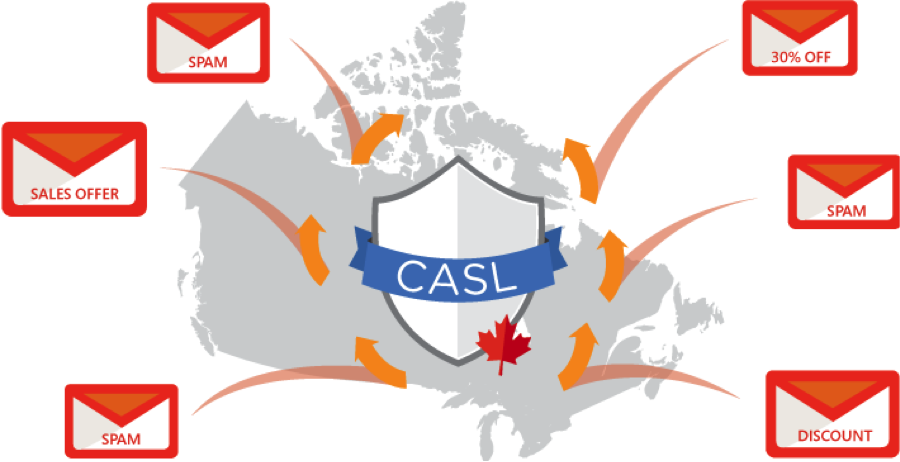
These days, it’s virtually inconceivable that you’d even consider creating a marketing strategy for your brand or client without including an email marketing campaign, which is often considered one of the top ways – aside from social media – to keep your registrants, customers, etc., engaged in your product or service. The way we think about email marketing has certainly evolved over the past few years; these days, aside from concentrating on the layout, design and multi platform functionality, there are also legal aspects that must be considered. Last year, Canada’s Anti-Spam Legislation (CASL) went into effect, requiring all emails sent (by businesses and charities) within Canada to abide by a list of rules, or face stiff financial consequences.

A year later, after the initial ‘panic attack’ by brands and agencies, has the new law been effective? That’s actually a grey area. Overall email volume dropped by 29% over the last year, but there has been no significant change in spam volume. In fact, there have only been 3 instances of the laws actually being enforced in the last 365 days:

  • Quebec based Compu-Finder was found to have four violations of CASL. They sent numerous emails without consent, as well as messages in which the unsubscribe button didn’t function properly. Interestingly, Compu-Finder accounted for 26% of all CASL complaints. They subsequently faced a $1.1 million dollar fine.
  • Plentyoffish Media Inc. (Plentyoffish) agreed to pay a fine of $48K for failing to have an unsubscribe button that was clearly and prominently visible on their emails.
  • Porter Airlines Inc. (Porter) agreed to pay $150K for alleged violations of CASL. Much like Plentyoffish, they failed to have a visible unsubscribe button, as well as a full contact address.

It’s important to keep in mind that enforcement of the CASL is strictly as a result of direct complaints from recipients. Rule of thumb, it’s better to be safe than sorry. Here is a list of items to keep in mind while developing your campaign.

Facebook’s New Video Advertising Is Coming

Untitled

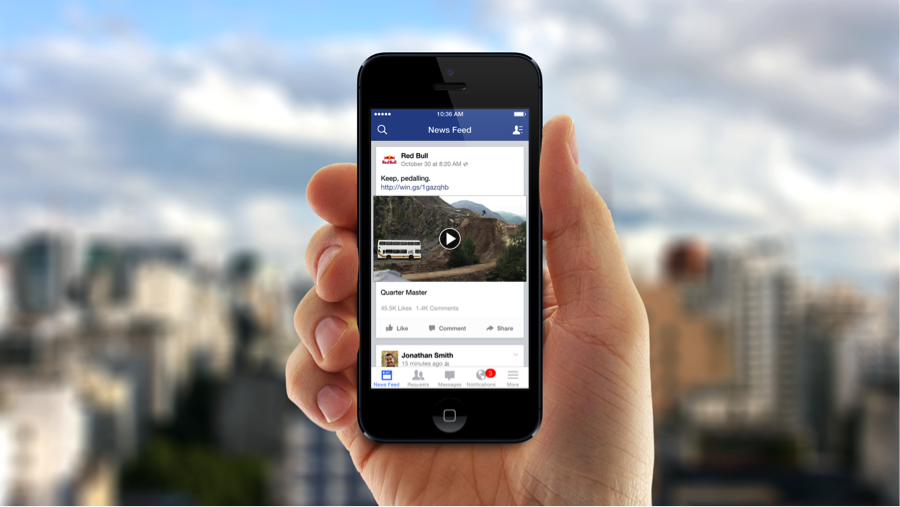
If you’ve been following the tech blogs over the past few weeks, you’ve likely heard about the large leaps Facebook is undertaking to dominate the video hosting/streaming landscape. Well, with the announcement they will be opening up their muted, auto-play video format to advertisers on a grand scale, not using their platform for video may no longer be an option. For many brands, who are already seeing huge increases in their conversion rates with the use of video advertising elsewhere, Facebook’s new “suggested video” feature will seem like an obvious next step; however, it does have logistical issues that need to be considered. Much like Instagram, companies and agencies will likely want to adapt campaigns to include Facebook specific versions, to address the platform’s intricacies.

Beyond general size/length, many of the considerations you’ll need to make when planning and executing a video ad for Facebook should probably be the same ones you make for all of your video campaigns. Here are a few things to think about during your planning stage.

It’s important to remember that the videos on Facebook, and some other social platforms (like Instagram and Vine), are muted by default. This means that unless a user chooses to turn on the sound, you’ll be telling a silent story. Hence, you’ll want your video to have the ability to convey the messaging and call to action visually. This way, regardless of the user’s choice to hear your video, dependant on a number of factors, they’ll get the gist of what you’re saying – and if interested, react appropriately.

Untitled2

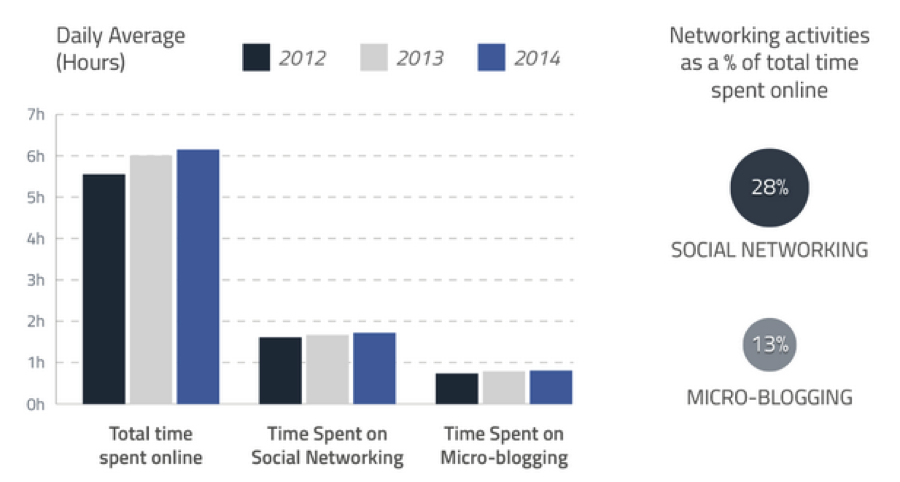
Although users statistically spend around 1-2 hours a day on social networks, they do so in chunks, over the entire day. You’ll want to keep this in mind when choosing an appropriate video length. Most research suggests that anything more than 30 seconds begins to lose attention. Most networks actually cap your videos at 15 seconds. If you have multiple messages/services/products, or want to really make a strong impact, you’ll want to consider creating a series of ads – à la Old Spice. Production value should also be considered, as videos with crisper, smoother, more emotionally provoking production and sound generally get more engagement.

Facebook “suggested video” advertising, much like their messenger for business platform, is still in its testing phase, and likely won’t see a full (worldwide) rollout for a little while, but it’s not too early to start integrating elements of its specifications into your campaigns, as they will very soon be the new standard for the way we consume video adertising online.

Previous Older Entries Next Newer Entries